What Are Fungi? A Microscopy Guide to Hyphae, Yeast & Spores
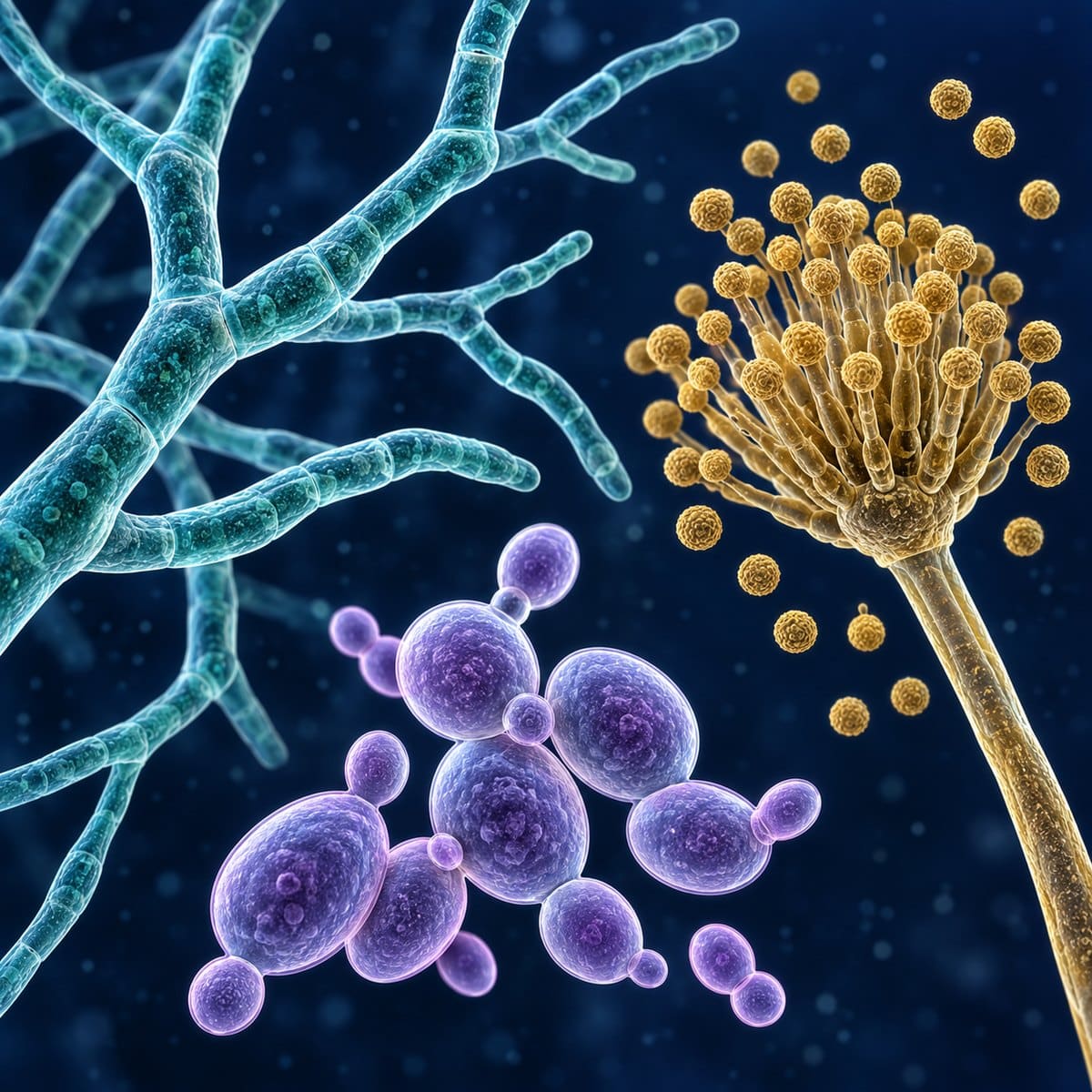
Discover the defining traits of fungi and learn how hyphae, budding yeast and spores appear in a prepared microscope slide.
Dive into the fascinating Microscopic World with stunning images and captivating discoveries. Our collection of microscopic images showcases bacteria, cells, crystals, pollen, and more, revealing the hidden beauty of the world around us. Be amazed by what’s invisible to the naked eye.
Discover the defining traits of fungi and learn how hyphae, budding yeast and spores appear in a prepared microscope slide.
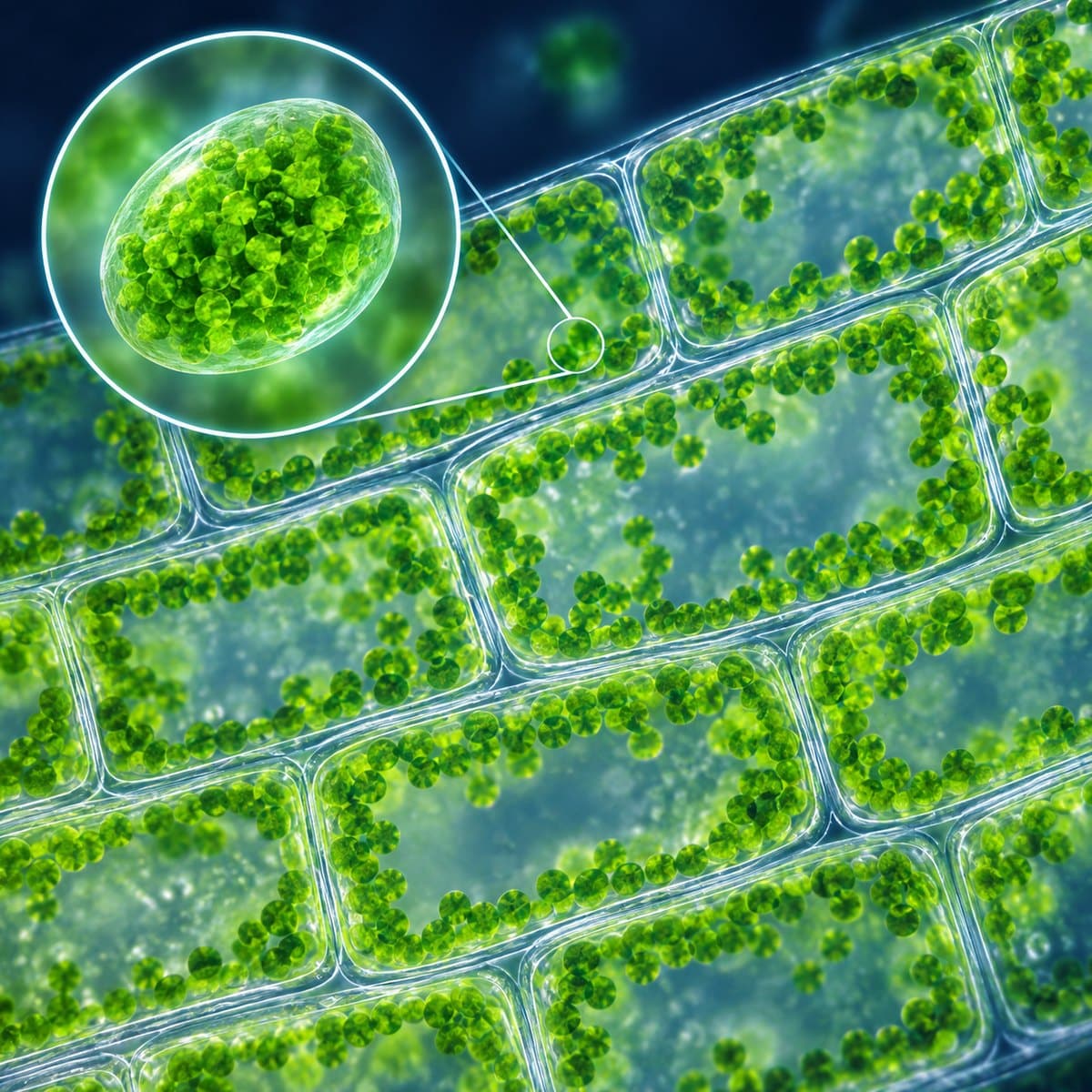
Learn how to view chloroplasts in a living Elodea wet mount, choose the best magnification and recognize cytoplasmic streaming.

Spirogyra, a filamentous freshwater green alga, reveals one of the most visually striking structures you will encounter under a light microscope: a continuous ribbon of vivid green chloroplast wound in a perfect helix along every cell. Pull a pinch of pond-scum mat from the water in spring, mount a small piece on a slide, and …
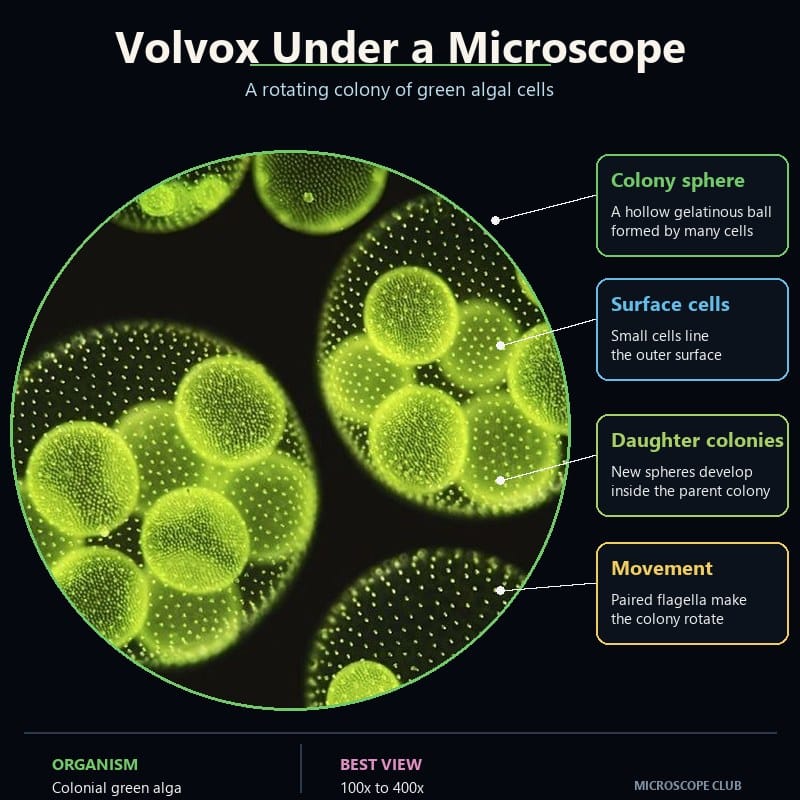
Volvox is one of the few microscopic organisms you can sometimes spot with the naked eye — a tiny green sphere rolling through a drop of pond water, spinning as smoothly as a planet in slow orbit. Put it under a compound microscope and within seconds you will see daughter colonies packed inside the parent …

Kidney stones under the microscope reveal something most patients never see: jagged crystalline structures whose shape, color, and optical behavior tell clinicians exactly what went wrong in the kidney and how to prevent it happening again. Understanding what each stone type looks like — and which microscope technique makes those details visible — turns a …

Snowflakes are the most unique and beautiful creations of nature. They are fascinating to look at and even more interesting to study under a microscope. There are several ways to observe snowflakes, but the most popular is by using a stereomicroscope. In order to clearly see under a microscope and to photograph snowflakes, you will …
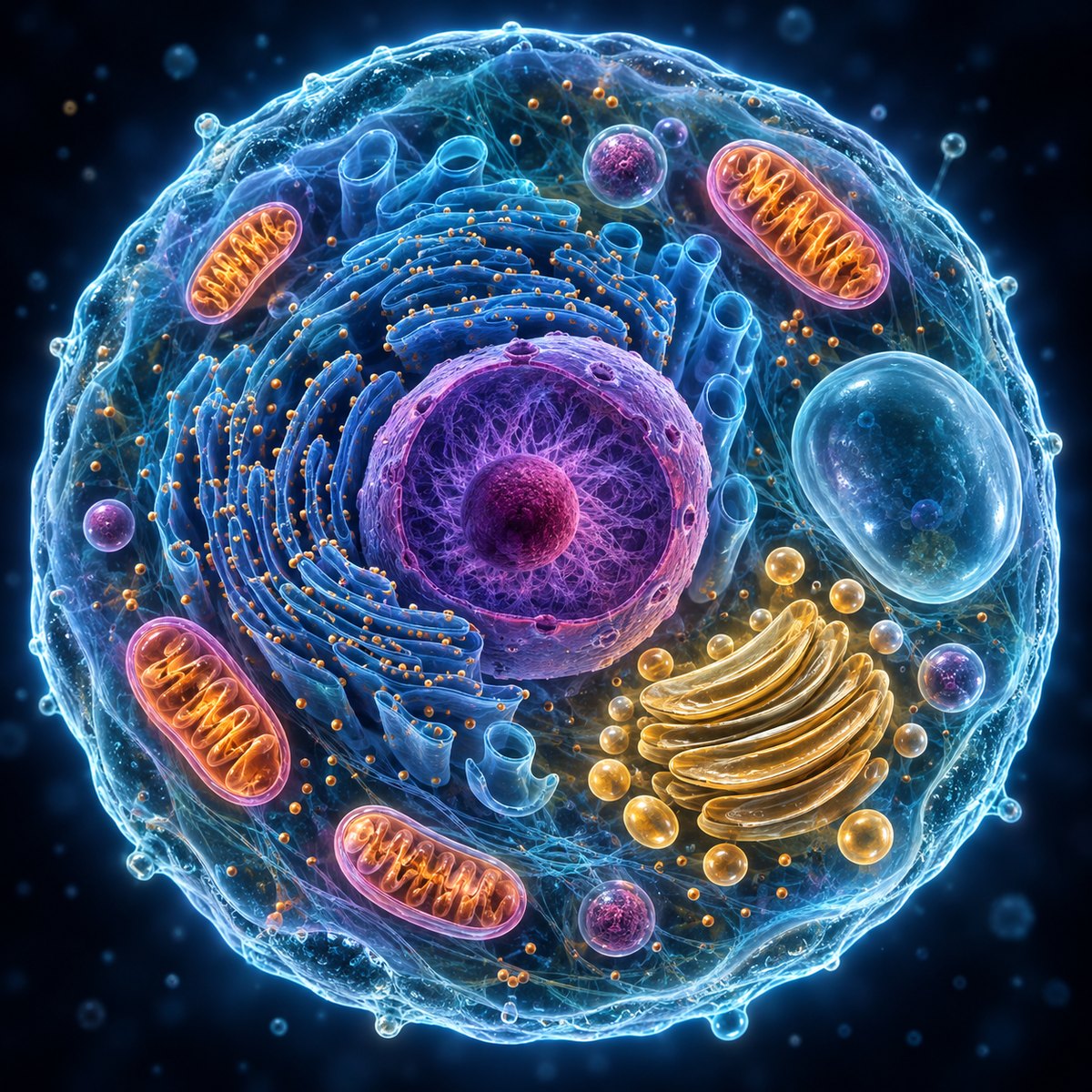
Learn the major cell organelles, their functions, which occur in plant and animal cells, and what you can actually see with a light microscope.

Atoms are really tiny. Even with the most powerful of microscopes, it’s impossible to view one with the naked eye, since they’re so small. But wouldn’t it be amazing to observe an atom under a microscope? Essentially, an atom is a chemical element that still has the characteristics of the original element (iron, copper, carbon, …

Dandruff flakes are clumped corneocytes — dead skin cells — shed from the scalp, driven by a lipophilic yeast most people have never heard of. Put one under a microscope and you stop seeing an embarrassing shoulder problem and start seeing a surprisingly detailed structure: layered, irregular plates with translucent edges that look nothing like …

Have you ever wondered what head lice look like under the microscope would look like? After discussing dandruff, we proceed to a more perplexing organism that preys on a child’s hair – the head lice. Observing head louse, louse eggs, and even adult lice under the microscope requires caution and knowledge on properly observing them. …